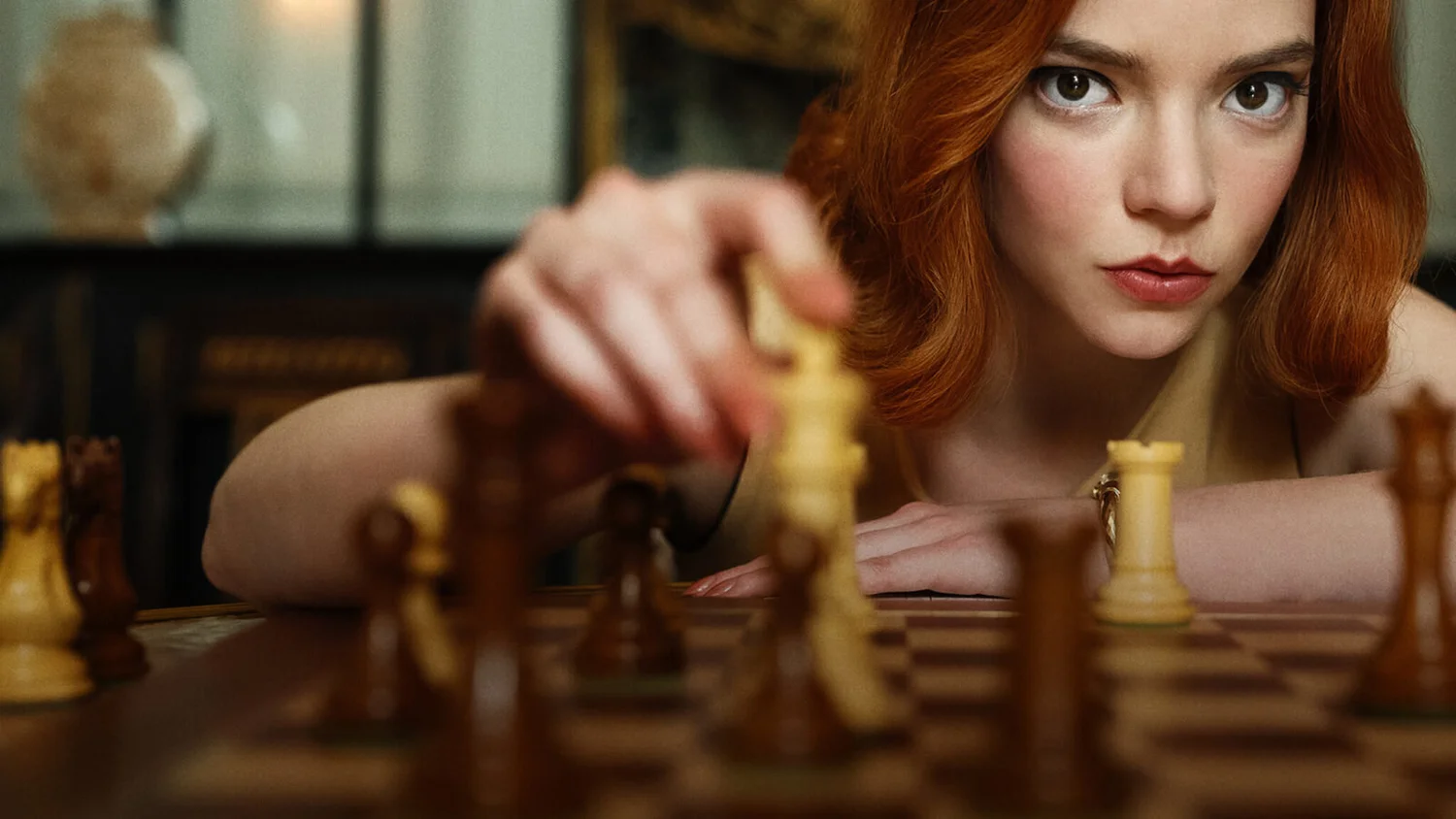
Netflix’s The Queen’s Gambit became a global hit not only for its storytelling but for its stunning costume design, crafted by Gabriele Binder. Each outfit worn by protagonist Beth Harmon mirrors her evolution—from a shy orphan to a confident chess prodigy commanding global attention. Binder’s use of color, pattern, and silhouette transformed clothing into a visual narrative, subtly expressing Beth’s psychology and empowerment. The red dresses, in particular, symbolized her maturity, independence, and mastery—showing that costume design can communicate emotion more powerfully than dialogue.
Binder’s approach was rooted in meticulous research of 1960s fashion while ensuring Beth’s wardrobe reflected her inner transformation. Early costumes were dominated by muted tones and structured patterns that echoed control and confinement. As Beth grew in confidence, her outfits transitioned into bolder cuts, modern shapes, and vibrant hues—culminating in the striking red ensemble during her final matches. This evolution wasn’t coincidental; Binder used visual storytelling grounded in fashion history, cultural context, and psychological insight—key pillars of E-E-A-T (Experience, Expertise, Authoritativeness, Trustworthiness).
The Queen’s Gambit costumes remind designers and storytellers alike that wardrobe is never just decoration—it’s narrative architecture. Thoughtful costume design invites audiences to feel a character’s growth rather than merely witness it. Binder’s work proved that when costuming aligns with emotion and storytelling craft, it can define both character identity and cinematic legacy—making fashion a vital tool in visual storytelling.