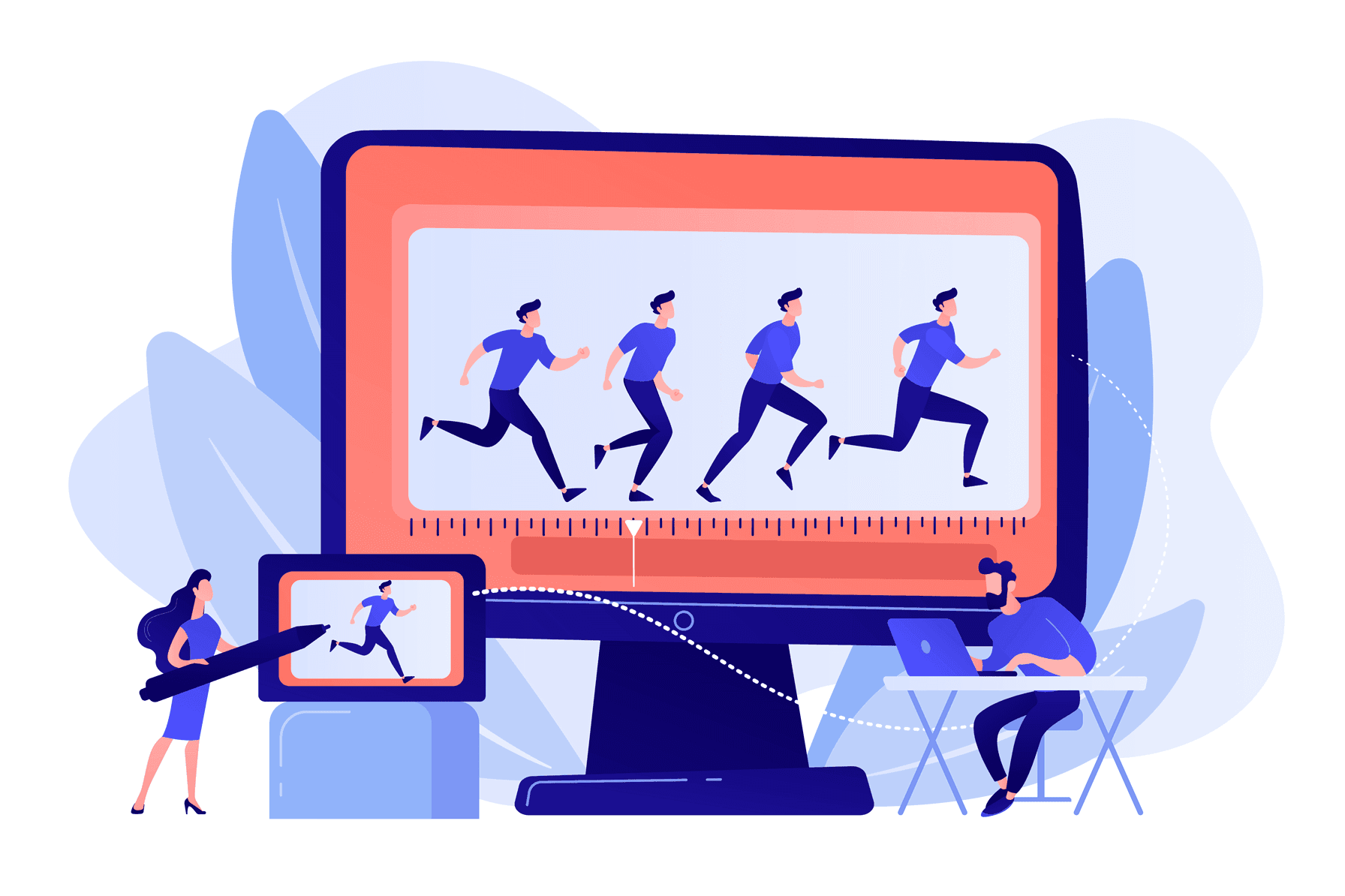
The world of digital media has evolved far beyond static images and plain text — increasing numbers of creators now turn to motion graphics to deliver information and emotion more effectively. Motion graphics combines graphic design with animation, bringing shapes, icons, text or shapes to life so that they move, pulse, or transform over time. Rather than using full-on cinematic scenes or live-action footage, motion graphics amplify messages through sleek visuals and dynamic movement — perfect for marketing videos, educational content, or social-media storytelling.
One of the core strengths of motion graphics is their ability to simplify complex ideas. By animating data, text or abstract visuals — such as graphs that grow, icons that morph, or kinetic typography — creators can transform dense or abstract information into digestible, engaging content. This makes motion graphics especially useful for explainer videos, educational clips, tutorials, or even corporate presentations that need clarity without overwhelming the viewer.
Beyond clarity, motion graphics excel at evoking mood and guiding audience attention. Through careful use of color, timing, transitions, and sound, a motion-graphics piece can build atmosphere: calm and contemplative, bold and energetic, or futuristic and sci-fi. Because they don’t rely on live-action, motion graphics offer creative freedom — enabling creators to build entirely stylized worlds, abstract sequences, or minimalist information flows that resonate emotionally and visually