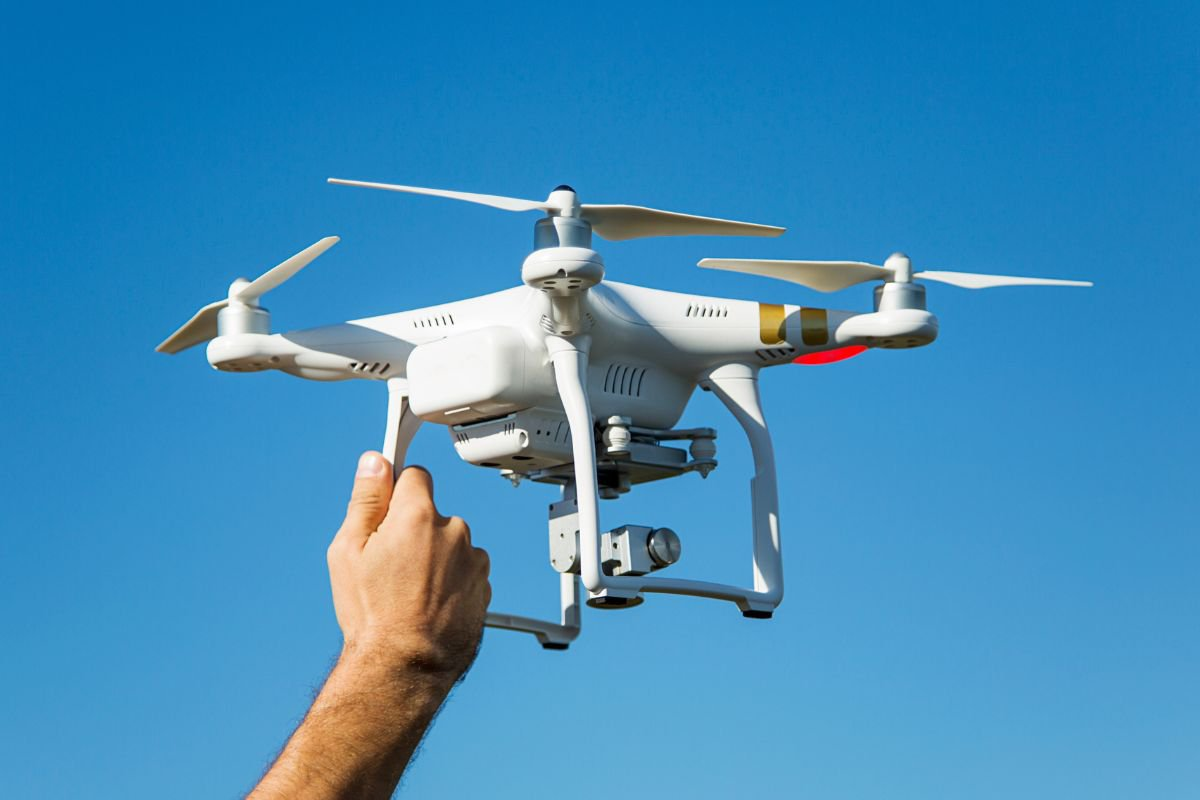
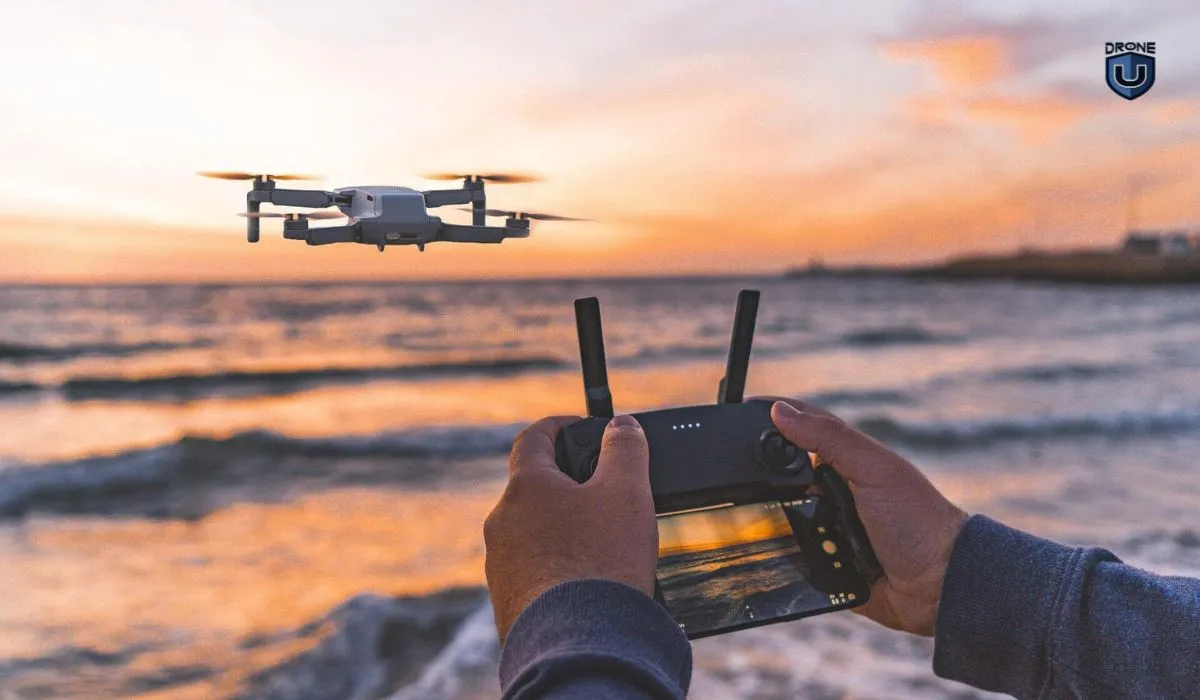
Drone photography opens up a whole new world of creative possibilities. But to truly master it, you need more than just a high-flying drone — it requires planning, technical skill, and artistic insight. According to experts like Abraham Joffe, beginning with a simulator helps you build confidence before flying real hardware. It’s wise to start with a basic drone, plan your shots carefully, and learn how to fly without GPS — all while respecting local regulations.
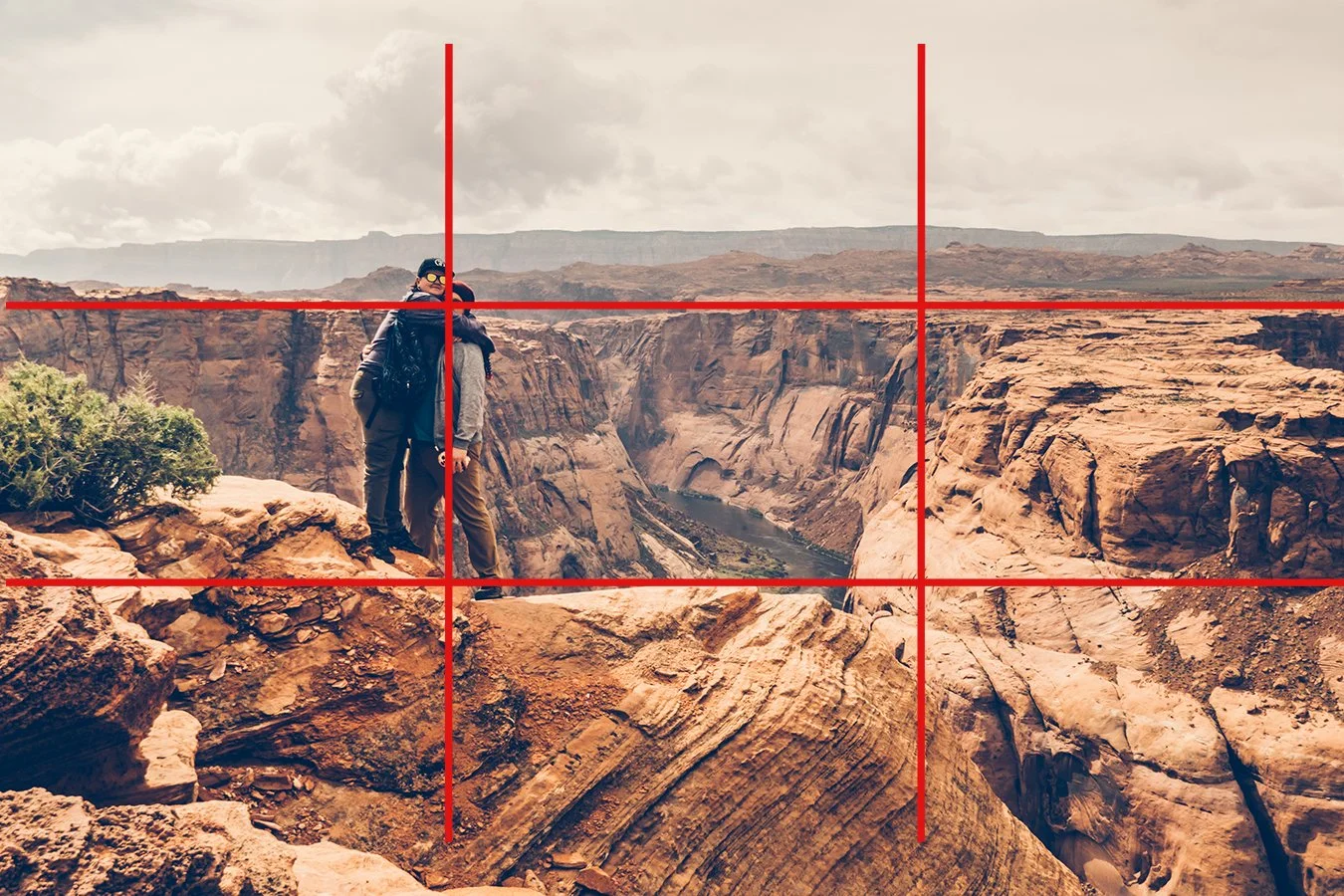
On the creative side, good composition is key. Use the rule of thirds, leading lines, and symmetry to build visually compelling aerial shots. From above, roads, rivers, or rooftops can act as natural guides, drawing your viewer’s eye into the scene. When you frame your subject off-center and use negative space wisely, your photos feel more balanced and intentional.
Lighting and camera settings also make or break an aerial shot. Flying during the golden hour (just after sunrise or before sunset) gives your images soft, directional light with long shadows. Use an ND filter to control shutter speed, reducing exposure while keeping motion smooth. Shoot in RAW when possible, so you retain flexibility in post-processing — and don’t forget to format your memory card and check storage before take-off.
By combining experience (practical flying), expertise (composition and settings), authoritativeness (drawing on established drone-photography advice), and trustworthiness (following safe, legal practices), you’ll not only capture better aerial photos — you’ll build a craft that’s reliable, creative, and deeply rewarding.