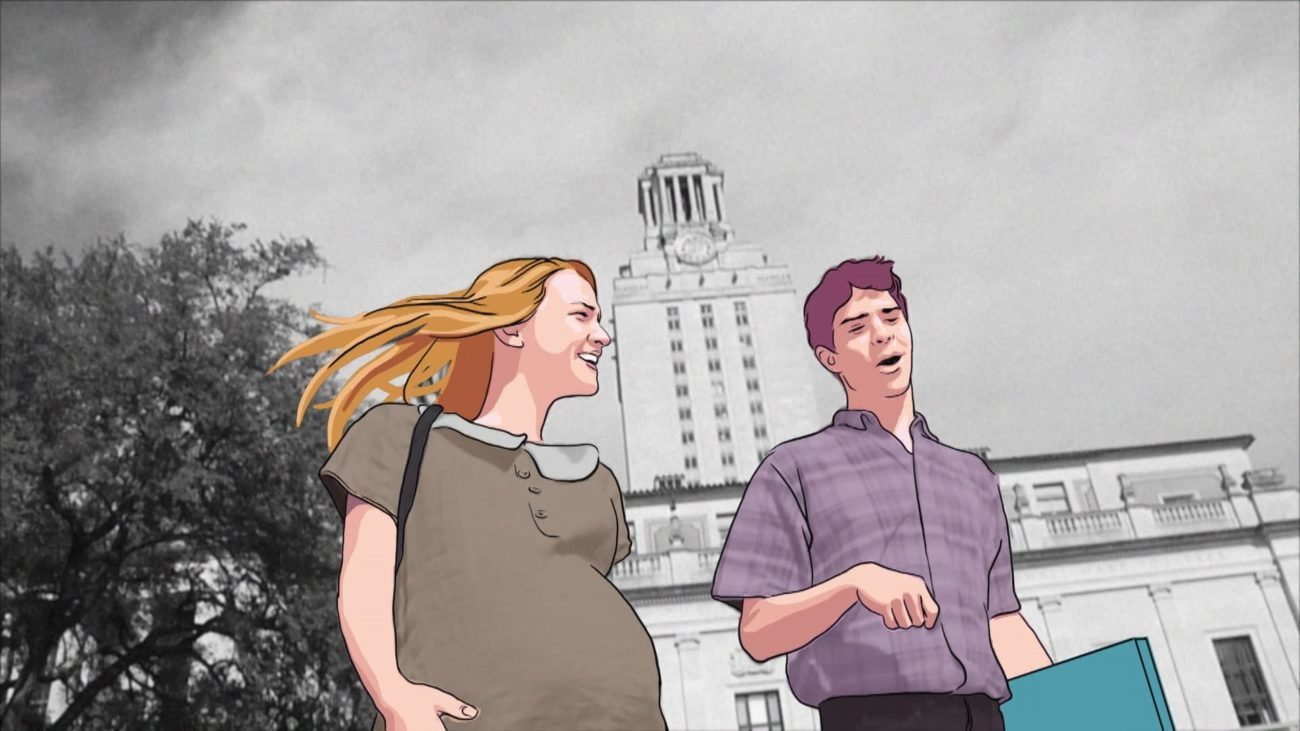
The 2016 documentary film Tower offers a powerful example of innovative storytelling in non-fiction video. Rather than relying solely on traditional interviews or archival footage, director Keith Maitland chose to blend real eyewitness testimony with rotoscope animation to recreate the tragic 1966 University of Texas shootings. This approach allowed audiences to visually experience multiple personal perspectives of the event without sensationalizing the violence, creating both emotional engagement and factual clarity.
What makes Tower especially compelling from a documentary craft perspective is its effective use of mixed media to maintain narrative flow. By combining animated reenactments with genuine survivor accounts, the film bridges historical context with present-day reflection, helping viewers understand not just what happened but how it felt for those involved. This method aligns with key visual storytelling techniques that emphasize immersion and empathy, showing that documentary video can be both informative and deeply human.
From an E-E-A-T perspective—Expertise, Experience, Authoritativeness, and Trustworthiness—Tower demonstrates how thoughtful artistic choices enhance both credibility and impact. The documentary’s careful balance of authentic testimony, creative animation, and respectful presentation highlights a model for future filmmakers. Rather than just documenting events, it transforms raw history into a narrative that educates, resonates, and inspires further reflection