
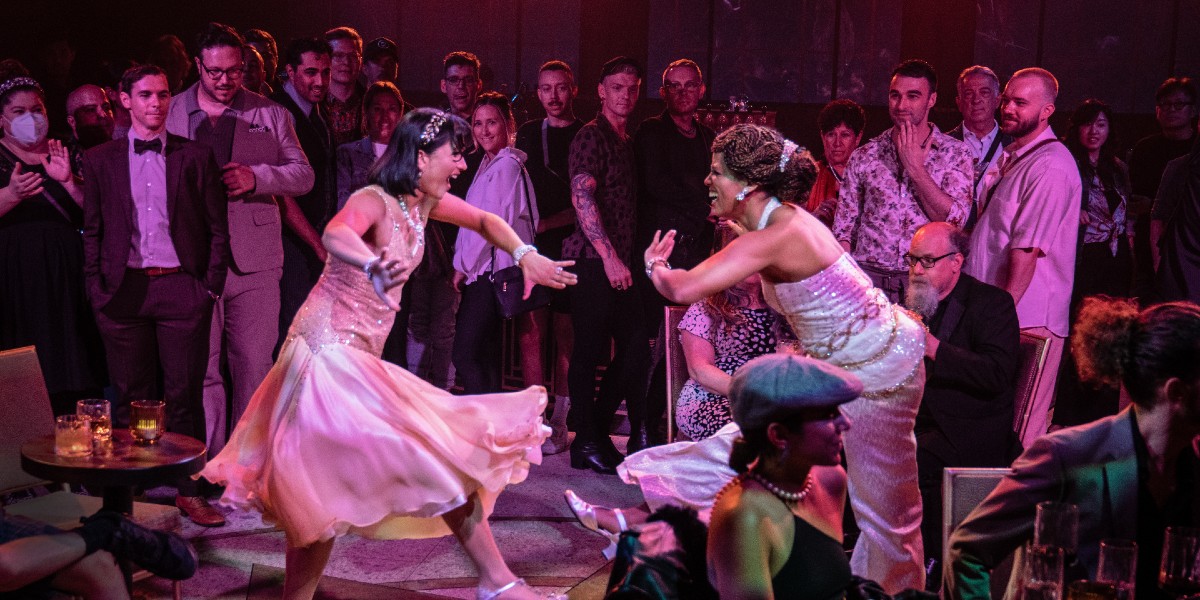
scrapfellow.com – Immersive theatre is a revolutionary form of live performance that breaks the traditional “fourth wall,” inviting audiences to become active participants in the story rather than passive observers. Unlike conventional theatre where viewers sit in fixed seats watching a stage, immersive productions place spectators inside the narrative—wandering through elaborately designed sets, interacting with actors, and sometimes influencing the outcome. Pioneered in the early 2000s, this genre has exploded in popularity by 2025, blending elements of theatre, installation art, gaming, and virtual reality. From secret warehouses to historic buildings, immersive theatre creates unforgettable, multi-sensory experiences that challenge perceptions of reality and storytelling.
Origins and Evolution of Immersive Theatre
The roots of immersive theatre trace back to experimental works in the 1960s-1970s, such as environmental theatre by Richard Schechner or happenings by Allan Kaprow. However, the modern form gained prominence with Punchdrunk’s groundbreaking production Sleep No More in 2003 (London) and 2011 (New York). This masked, site-specific adaptation of Macbeth allowed audiences to roam a multi-story hotel set freely, discovering scenes at their own pace.
By the 2010s-2020s, companies like Third Rail Projects (Then She Fell) and Secret Cinema expanded the genre with interactive narratives tied to films like Stranger Things or Blade Runner. In 2025, immersive theatre incorporates technology: AR headsets for layered realities, AI-driven personalized storylines, and hybrid virtual-physical experiences post-pandemic.
Key Characteristics of Immersive Theatre
- Audience Agency: Spectators choose paths, interact with performers, or make decisions affecting the plot.
- Site-Specific Locations: Performances in non-traditional venues—abandoned buildings, hotels, forests—for heightened realism.
- Multi-Sensory Engagement: Smells, tastes, touch, and sound immerse participants fully.
- One-on-One Encounters: Private moments with actors create intimate, unique experiences.
- Non-Linear Narratives: Stories unfold simultaneously; no two visits are identical.
Popular formats include promenade theatre (walking through scenes) and escape room hybrids.
Iconic Immersive Theatre Productions
- Sleep No More (Punchdrunk): The benchmark—roam a 1920s hotel in a silent, masked exploration of Shakespeare’s tragedy.
- The Drowned Man (Punchdrunk): Hollywood studio-inspired epic.
- Then She Fell (Third Rail Projects): Alice in Wonderland-themed, limited to 15 audience members per show.
- Secret Cinema: Film screenings turned interactive events (e.g., Back to the Future with recreated Hill Valley).
- Meow Wolf (USA): Permanent installations like House of Eternal Return—art worlds blending narrative and exploration.
In 2025, new productions incorporate VR for hybrid accessibility.
Benefits and Appeal of Immersive Theatre
- Emotional Depth: Direct interaction heightens empathy and investment.
- Replayability: Multiple visits reveal new layers.
- Social and Therapeutic: Builds connection in isolated times; used in therapy for empathy training.
- Innovation Driver: Pushes boundaries of storytelling and technology.
Challenges: High production costs, safety in interactive settings, and accessibility for those with mobility issues.
The Future of Immersive Theatre in 2025 and Beyond
With AR/VR advancements, immersive experiences are going hybrid—virtual attendees “enter” physical spaces remotely. Sustainability focuses on reusable sets, while inclusivity expands with sensory-friendly or seated options.
Immersive theatre redefines performance as a shared adventure, where the audience co-creates the magic. In an era of screens and isolation, it offers visceral, human connection—proving live art’s enduring power. Whether wandering a haunted hotel or dancing in a recreated film world, immersive theatre invites you to step inside the story. Ready to lose yourself in one? The stage is everywhere.